Types of VADs

VADs can be defined by the action that they perform. VADs can pump blood by a spinning action (continuous flow VAD) or by a pumping action (pulsatile flow VAD).

Pulsatile

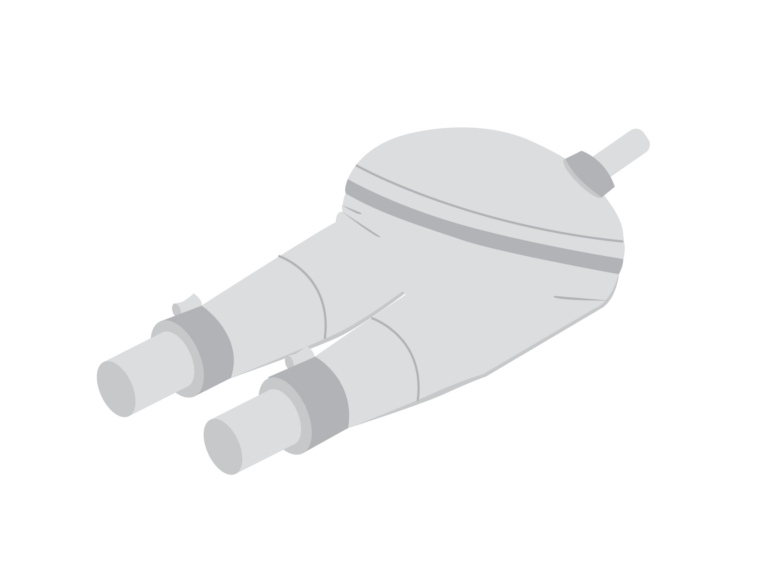
Pulsatile flow VADs work by pumping blood in and out of a chamber. Air moves a membrane to fill and eject blood from the chambers to the body. The pump is connected to a power source. If you have a pulsatile flow VAD, you will have a pulse. The most common examples of pulsatile flow VADs are Berlin Heart® EXCOR® Pediatric and the Syncardia Total Artificial Heart.

Berlin Heart® EXCOR® Pediatric

Let’s take a closer look at the Berlin Heart®, how it works, the benefits and risks, and all about the surgery journey.

SynCardia Total Artifical Heart

Learn about the SynCardia Total Artificial Heart, how it works, the benefits and risks, and all about the surgery journey.

Continuous Flow

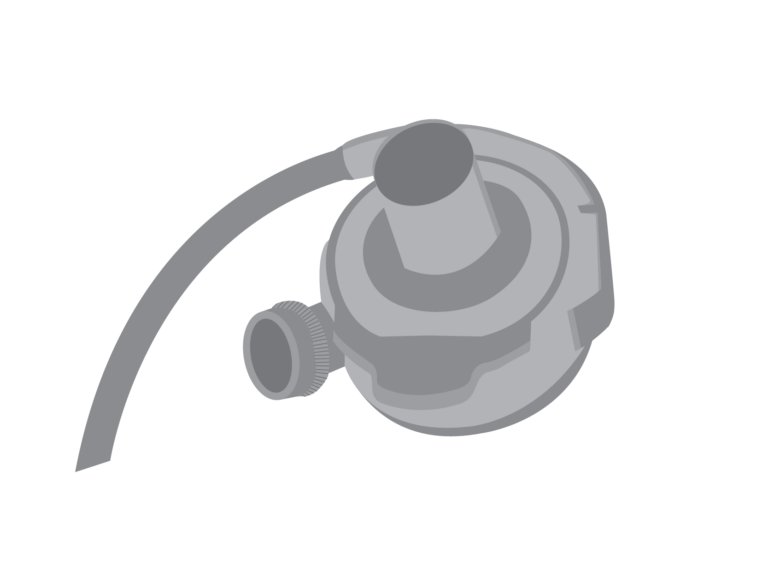
Continuous flow (CF) VADs work by continuously spinning blood and ejecting it from the heart, through the device, out to the aorta, and the rest of the body. There is a small motor located inside the VAD that helps with this spinning motion. The pump is always connected to a power source that keeps the VAD spinning. Because the continuous flow device bypasses the weakened heart chamber, you may not have a pulse. The most common examples of continuous flow VADs are Medtronicâ„¢ HVAD System and HeartMate 3â„¢ LVAD.

HeartMate 3â„¢ LVAD

Learn more about the HeartMate 3â„¢ LVAD, how it works, the benefits and risks, and all about the surgery journey.

Medtronicâ„¢ HVAD System

Learn about the Medtronicâ„¢ HVAD System, how it works, the benefits and risks, and all about the surgery journey.

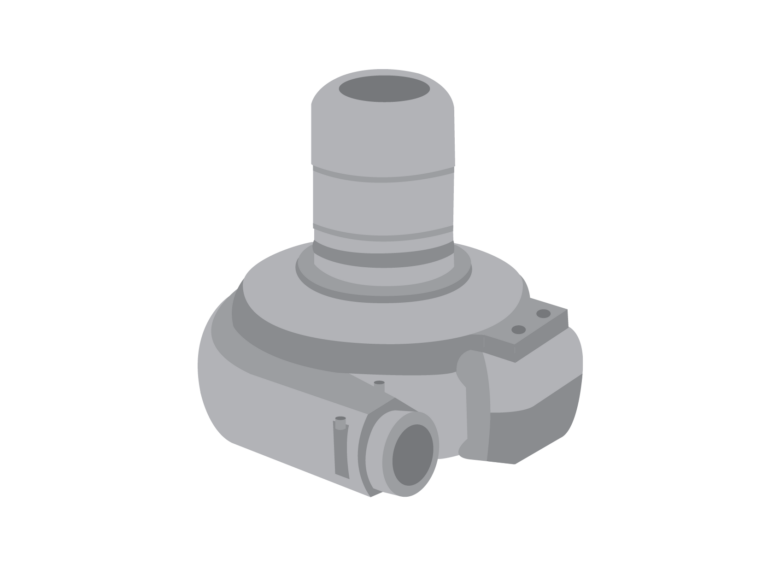
PediaMagâ„¢ & CentriMagâ„¢

Learn about the PediMagâ„¢ and CentriMagâ„¢ VADs, how they work, the benefits and risks, and all about the surgery journey.

Navigating Device Trials - Video Attestation

This field is for validation purposes and should be left unchanged.
Name(Required)