

The goal of the VAD is to improve the way you feel. Learn more about how a VAD could improve your quality of life in the interactive below.
While VADs have been shown to help many patients, living with a VAD has its challenges. VAD patients must:
- take blood thinners and other medicines to help the heart
- make frequent visits to the doctor to make sure the VAD is working right
- have a caregiver who understands how the pump works
- change the bandages and clean the area where parts of the pump meet the skin
Learning about your VAD is an important part of getting you discharged and keeping you safe. Watch this video to learn more about how your device works.
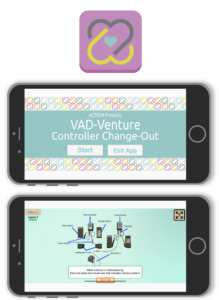 Download our VAD-Venture iOS App for the HeartMate 3™ LVAD!
Check out our VAD-Venture Controller Change-Out simulation app for iOS. This simulation game is designed to help you practice changing out the HeartMate 3™ LVAD controller, in return helping you build the confidence needed to properly care for your device.
Don’t have iOS? Practice your skills here.
 HeartMate 3™ LVAD can be used to help a heart pump for many reasons. Depending on your situation, it may be used as:
- Bridge to Transplant: To support the heart until the best donor heart is available for transplant.
- Destination or Chronic Therapy: To support the heart, decrease heart failure symptoms and improve overall quality of life.
- Bridge to Recovery: To support the heart if there is a chance the heart will recover.
- Bridge to Decision: To support the heart until a decision can be made by the family and medical team regarding next steps (surgeries or medications).
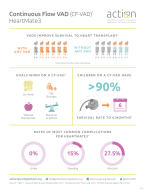
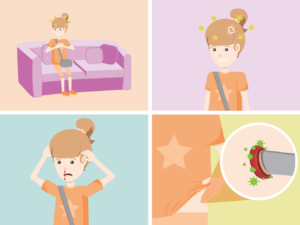
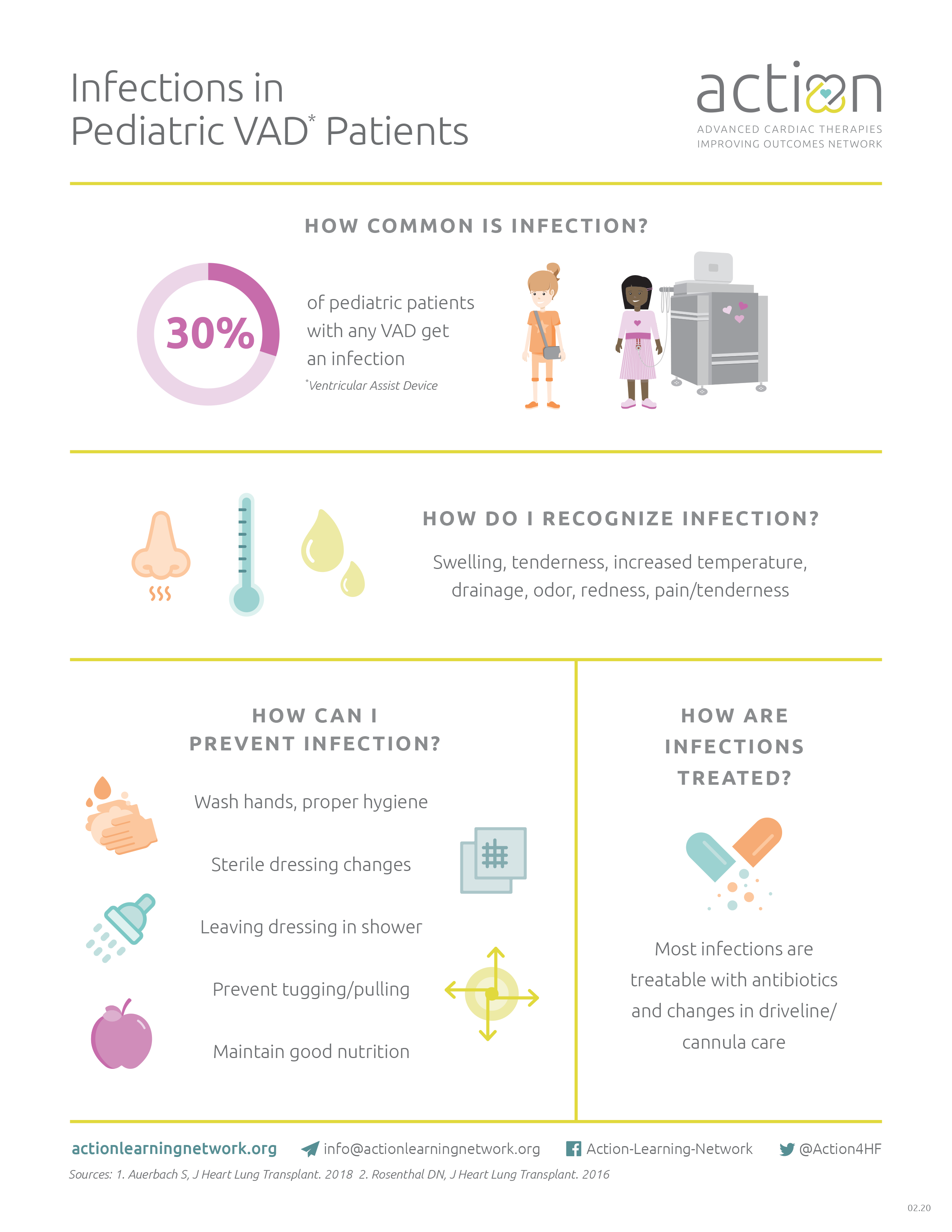
There are also some risks associated with having a VAD, but your care team will work hard to keep you safe.
Infection
The driveline comes out of your belly and will need to be cleaned frequently. This is important because bacteria lives on your skin and may cause an infection at your driveline site. You may feel nervous the first few times your dressings are changed, but your care team will be there to support you.
Stroke
There is a risk of stroke with all VADs. A clot can form in the VAD, become dislodged, and may travel up a blood vessel to the brain. A blood clot in the brain leads to a decreased blood flow to the brain in that specific area, and this is called a stroke. Your care team will manage your blood thinner medicines and levels carefully to try to prevent a stroke. Sometimes, even with perfect levels, a stroke will occur.
Your care team will monitor you for the following symptoms:
- Headache
- Confusion
- Numbness and/or tingling on one side of the body
- Weakness on one side of the body
- Slurred speech
Bleeding
There is a risk of bleeding with all VADs. To prevent clots from forming in the device, you have to be on a blood thinner. Sometimes the blood thinner will lead to bleeding that may require a change in medicines, a blood transfusion, or in some cases, a surgery to stop the bleeding. Your care team will manage your blood thinner medicine and levels carefully to try to prevent bleeding. Sometimes, even with perfect levels bleeding will occur.


The Berlin Heart helps patients with heart failure, as it improves blood circulation. A Berlin Heart may help reduce heart failure symptoms and improve quality of life while waiting for a heart transplant or your heart to get better.
 There are some risks with a Berlin Heart, but your care team will work hard to keep you safe.
Infection
The soft cannula will come out of your lower chest and will need to be cleaned frequently. This is important because bacteria lives on your skin and may cause an infection at your cannula site. You may feel nervous the first few times your dressings are changed, but your care team will be there to support you.
Stroke
There is a risk of stroke with all VADs. A clot can form in the VAD, become dislodged, and may travel up a blood vessel to the brain. A blood clot in the brain leads to a decreased blood flow to the brain in that specific area, and this is called a stroke. Your care team will manage your blood thinner medicines and levels carefully to try to prevent a stroke. Sometimes, even with perfect levels, a stroke will occur.
Your care team will monitor you for the following symptoms:
- Headache
- Confusion
- Numbness and/or tingling on one side of the body
- Weakness on one side of the body
- Slurred speech
Bleeding
There is a risk of bleeding with all VADs. To prevent clots from forming in the device, you have to be on a blood thinner. Sometimes the blood thinner will lead to bleeding that may require a change in medicines, a blood transfusion, or in some cases, a surgery to stop the bleeding. Your care team will manage your blood thinner medicine and levels carefully to try to prevent bleeding. Sometimes, even with perfect levels bleeding will occur.

